
If you've been following SEO in recent months, you've probably noticed that something fundamental has shifted. Google's AI Overviews now appear at the top of many search results.
AI SEO optimization is not an extension of traditional SEO. It is a structural shift in how brands earn visibility.
ChatGPT and Perplexity are answering questions that users previously searched Google for. And brands that once ranked reliably are seeing traffic patterns they don't fully recognize.
This is the reality of AI SEO optimization. It's not a trend to watch later. It's a shift that's already reshaping how brands get discovered, how content gets surfaced, and what it means to rank in 2025 and beyond.
This guide breaks down exactly what AI SEO optimization means, how it differs from traditional SEO, and what practical steps modern brands need to take to stay visible in a search landscape increasingly driven by artificial intelligence.
AI SEO optimization refers to the practice of optimizing your brand's content, authority, and digital presence to perform well not just in traditional search engine results pages, but also in AI-generated answers, overviews, and recommendations.
This includes two overlapping disciplines:
1. Generative Engine Optimization (GEO)
Optimizing content so it gets cited, quoted, or recommended by AI answer engines like ChatGPT, Perplexity, Google AI Overviews, and Microsoft Copilot.
2. AI search optimization
Ensuring your brand is structured, authoritative, and visible enough for AI systems to understand, trust, and surface in response to relevant queries.
Traditional SEO focused on ranking among ten blue links on a results page.
AI SEO optimization focuses on being the source an AI engine chooses to cite when synthesizing an answer.
That's a meaningfully different goal, and it requires a meaningfully different approach.
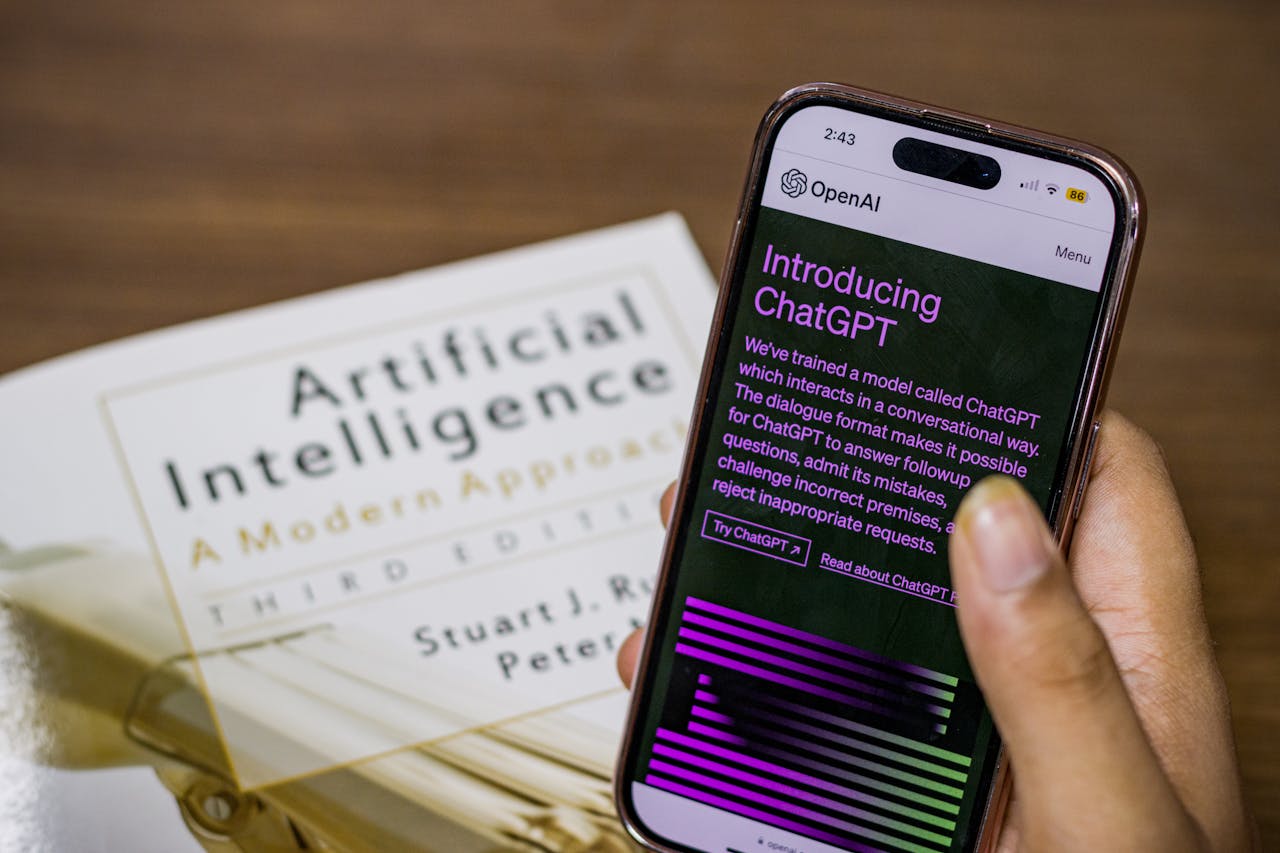
The numbers tell a clear story. ChatGPT now serves over 800 million weekly users.
Google's AI Overviews appear on a growing share of search queries. AI-driven summaries are reducing traditional click-through rates even as brand impressions increase.
This phenomenon has been described as the great decoupling: visibility and traffic no longer move in the same direction.
For modern brands, this creates both a risk and an opportunity.
Brands that optimize only for traditional rankings risk becoming invisible in AI-generated answers.
Brands that adapt early gain a compounding advantage as AI search continues to grow.
The good news is that the foundations of strong PR and SEO strategy remain relevant. AI engines heavily favor authoritative, well-structured, third-party validated content.
The signals that earn traditional rankings and the signals that earn AI citations overlap significantly.
Understanding the difference helps you prioritize the right actions.
- Keyword rankings and click-through rates on search result pages
- Individual page performance and backlink profiles
- Rankings, impressions, and organic traffic
- Inclusion in AI-generated answers, summaries, and recommendations
- Entity authority, brand recognition, content structure, and third-party citations
- AI citation frequency, share of voice in AI responses, and AI-referred traffic
Both disciplines are complementary. Brands that perform well in traditional search typically have the content depth and authority that AI engines also prefer.
But there are specific optimizations that matter more for AI visibility, outlined below.

AI engines strongly favor earned media and authoritative third-party sources over brand-owned content alone.
A Princeton study on citation bias in AI search confirmed that AI systems disproportionately cite content from recognized, editorially vetted sources.
This means that building brand authority through PR is one of the most direct ways to improve your AI search visibility.
When your brand is featured in respected publications and cited as a credible source, AI engines are more likely to reference your brand in relevant answers.
AI systems parse content differently from human readers.
Clear headings, concise definitions, explicit answers to common questions, and well-organized information architecture all make your content easier for AI engines to understand and extract.
FAQ sections, structured data markup, and clean content hierarchies are practical priorities.
AI engines build knowledge about entities, including brands, people, and organizations, across the web. Consistent brand mentions, accurate information across all platforms, and strong website authority signals help AI systems understand who you are and what you're known for.
Inconsistent or sparse entity information can lead to being overlooked or misrepresented in AI responses.
One of the most powerful AI SEO optimization strategies is securing media placements on high-authority outlets.
When recognized publications feature your brand, those citations become the kind of third-party validation that AI engines use to confirm authority.
Press release SEO strategies that target high-DA outlets contribute directly to both traditional rankings and AI citation potential.
AI systems using retrieval-augmented generation (RAG) prioritize recently updated content for fast-moving topics.
Regularly refreshing your most important pages, updating statistics, and publishing new expert content signals to AI engines that your brand is an active, current source worth citing.
AI SEO optimization isn't about chasing a new algorithm. It's about building the kind of brand authority and content depth that earns trust from both human readers and AI systems.
The brands that invest in this foundation now will have a compounding advantage as AI search continues to grow.
At Brand Featured, our SEO and AI optimization service is built around exactly this.
We help brands secure the high-authority media placements, structured content, and credibility signals that AI engines favor, turning your PR investment into lasting visibility across both traditional and AI-powered search.
Ready to optimize your brand for the future of search? Contact our team to get started, or visit our FAQ page to learn more.
AI SEO optimization is the practice of optimizing your brand's content and authority to appear in AI-generated search answers and overviews, not just traditional search engine rankings.
It includes generative engine optimization (GEO) and AI search optimization strategies.
Traditional SEO focuses on ranking in search result pages. AI SEO optimization focuses on being cited or recommended in AI-generated answers from tools like ChatGPT, Google AI Overviews, and Perplexity.
Both matter, and the best strategies address both simultaneously.
Generative search optimization, also called GEO, is the practice of structuring content and building authority so that AI answer engines cite your brand when generating responses.
It prioritizes content clarity, entity authority, and third-party credibility signals.
Yes. AI engines strongly favor authoritative, third-party validated content.
Media placements in recognized publications provide exactly the kind of citations that AI systems use to confirm brand authority.
PR is one of the most effective strategies for improving AI search visibility.
You can test manually by querying tools like ChatGPT, Perplexity, and Google AI Overviews with questions relevant to your brand or industry.
Purpose-built GEO monitoring platforms can also track your AI citation frequency and share of voice across multiple AI engines over time.


.png)
.png)
.png)